
Methylene Blue Dosage: How to Read a Label and Take It Safely
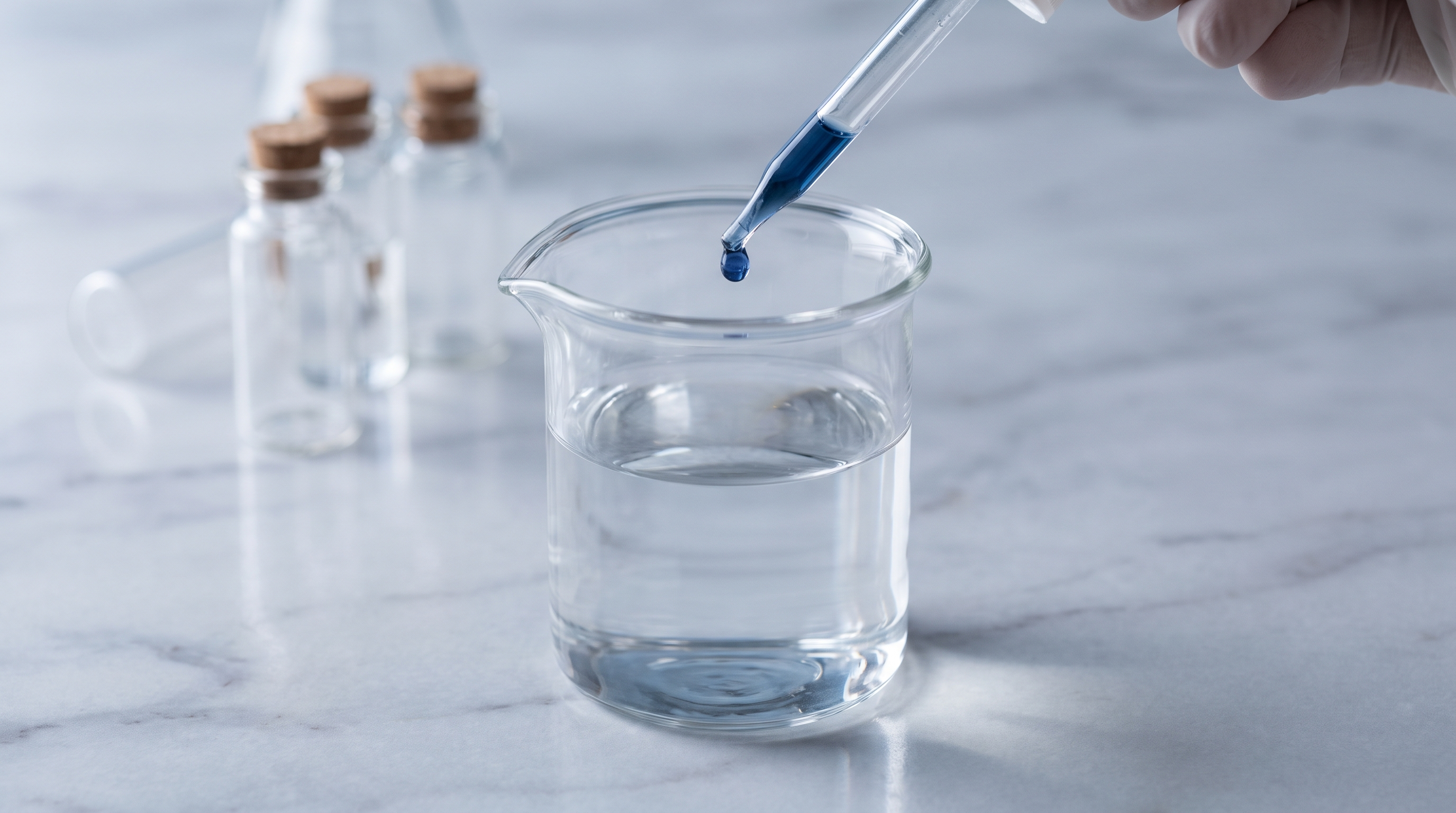
Of all the questions people ask about methylene blue, dosage is the most common, and the most important to get right. Methylene blue is a low-dose compound where more is definitely not better, and the correct amount depends on the product you're using and your individual circumstances. This guide explains how methylene blue dosage works, how to read a label, and how to take it, so you can have an informed conversation with your healthcare provider, who is the right person to recommend a dose for you.
Please read first. This article is educational and does not recommend a specific dose. Methylene blue should not be combined with SSRIs, SNRIs, MAOIs, or other serotonergic medications, and it's not for use during pregnancy or nursing, by children, or by people with G6PD deficiency. For the right dose for your situation, follow your product's label and consult your healthcare provider before use.
The golden rule: low and precise
The most important thing to understand about methylene blue is that it follows a "less is more" pattern. At low doses it's studied for supporting cellular energy, but at higher doses those effects reverse and the risk of side effects rises. That's why methylene blue is measured carefully, often by the single drop, and why the guiding principle is always to start at the lowest amount on your product's label and never exceed it unless a healthcare professional directs you otherwise.

What affects your methylene blue dose
There's no single universal number, because a few factors change what a given dose actually delivers:
- The product's concentration: A 1% liquid, a 2% liquid, and a 10 mg capsule all deliver very different amounts per drop or per unit, so you can't compare "drops" across products.
- The format: Liquid lets you fine-tune by the drop, while capsules give you a fixed, pre-measured amount.
- Your individual factors: Body weight, your health, and any medications you take all matter, which is exactly why a personalized dose should come from your provider.
Understanding methylene blue concentrations
The label math is where most confusion happens, so here's how to read it. Concentration is usually given as a percentage or in milligrams, and it helps to know how they translate:
- 1% solution: Contains about 10 mg of methylene blue per 1 ml of liquid.
- 2% solution: Twice as concentrated, so roughly 10 mg per 0.5 ml, meaning you need fewer drops for the same amount.
- Capsules: Pre-measured, so a 10 mg capsule simply delivers 10 mg with no calculating.
Because a "drop" isn't a precise scientific unit and varies with the dropper, the safest approach with liquids is to use exactly what the label specifies rather than eyeballing it. This is also why many people prefer capsules: the dose is fixed and there's no math or measuring involved. Whatever the format, the number that matters is on your label, and that's what you and your provider should work from.

How to take methylene blue
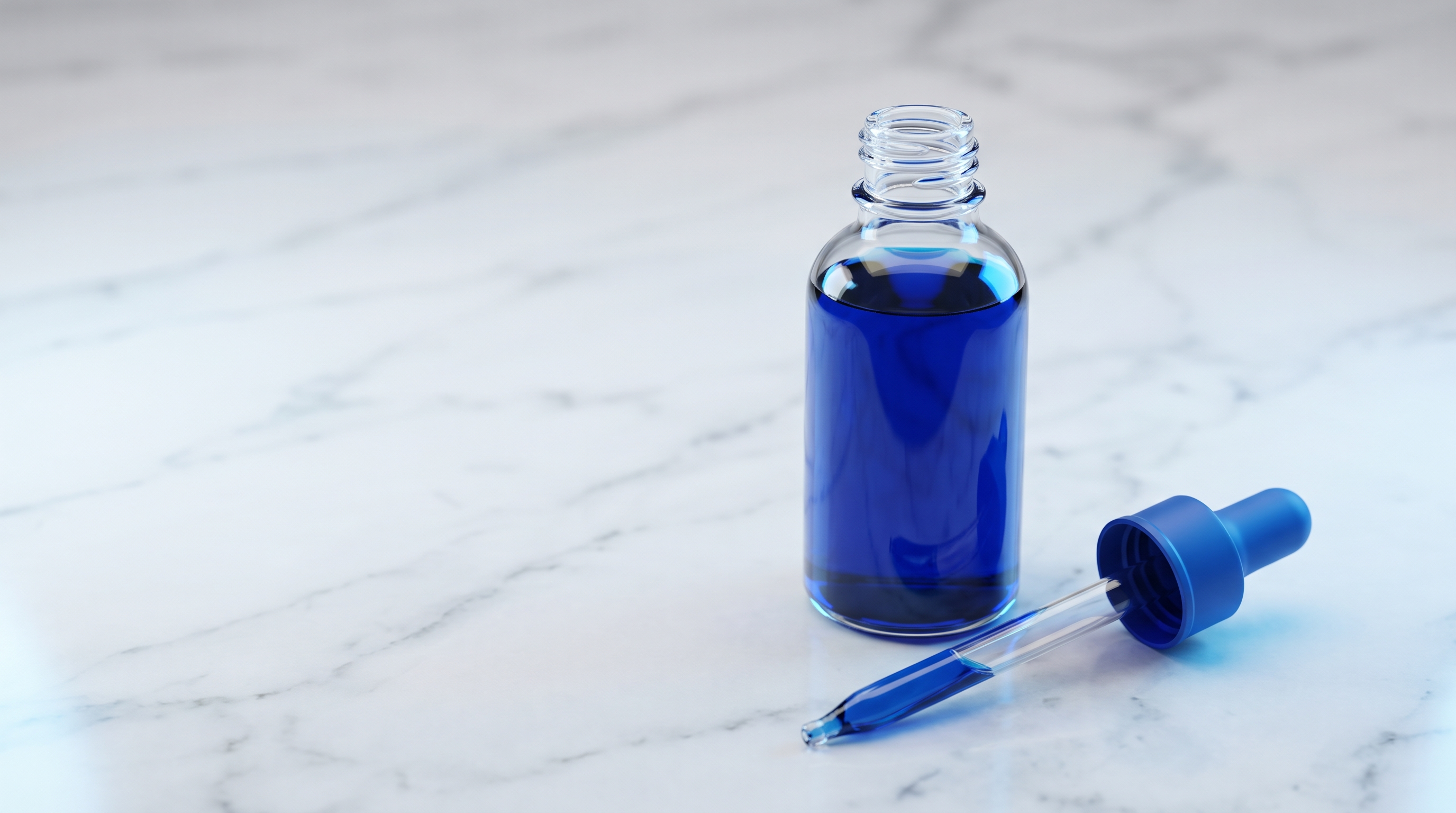
Methylene blue is taken orally. With liquids, the drops are typically diluted in a glass of water, both to make the intense color easier to manage and because it's a concentrated dye. Capsules are simply swallowed with water. A few practical notes:
- Dilute liquid drops in water rather than taking them undiluted.
- Expect a blue tint: methylene blue commonly turns urine blue-green and can temporarily stain the tongue (capsules avoid the mouth staining). This is normal and harmless.
- Mind the timing of medications: because of its interactions, don't take it alongside serotonergic drugs at all, and space it sensibly from other supplements as your provider advises.
Signs of taking too much
Staying within label amounts matters because higher doses can cause nausea, and the compound's beneficial profile changes as the dose climbs. If you ever feel unwell after taking it, stop and consult a healthcare professional. And to repeat the most critical point: never combine methylene blue with serotonergic medications, regardless of dose. You can read more in our overview of methylene blue benefits and safety.
For your recommended dose, talk to your doctor
We've deliberately not printed a "take this many milligrams" recommendation here, because the right dose genuinely depends on the product and the person, and methylene blue's interactions make professional guidance important. The responsible path is simple: choose a pharmaceutical-grade product, read its label carefully, and ask your healthcare provider what's appropriate for you before you start.
Choosing a quality methylene blue
Accurate dosing only matters if the product itself is pure and correctly labeled, so quality comes first. Look for USP pharmaceutical-grade, 99% purity, third-party testing, and a formaldehyde-free formula. Our Chemist Labs Methylene Blue collection meets those standards and gives you clearly labeled options: precise 1% liquid drops and a higher-strength 2% liquid for those who want fewer drops, or pre-measured, stain-free 10 mg capsules if you'd rather skip the measuring entirely.
Frequently asked questions
How many drops of methylene blue should I take? It depends entirely on the concentration of your product and your individual circumstances, so there's no universal drop count. Follow your product's label and confirm the right amount with your healthcare provider.
How do I take methylene blue orally? Liquid drops are diluted in a glass of water; capsules are swallowed with water. Always use the amount specified on your label.
Can you take methylene blue every day? Some people use it daily at low label amounts, but whether and how often you should is a question for your healthcare provider, especially given its medication interactions.
Why does methylene blue turn urine blue? It's a dye, so a temporary blue-green tint to urine (and sometimes the tongue with liquids) is expected and harmless.
Are capsules or drops easier to dose? Capsules are pre-measured and remove the math, while drops let you fine-tune but require careful measuring and label-reading.
*These statements have not been evaluated by the Food and Drug Administration. This product is not intended to diagnose, treat, cure, or prevent any disease. This article is for general education and is not medical advice or a dosing recommendation. Methylene blue can interact with medications and is not suitable for everyone. Always consult a qualified healthcare provider before use, especially if you are pregnant, nursing, take any medication, or have a medical condition.
Comments