
Methylene Blue Benefits: Uses, Safety, and How to Take It
Methylene blue has gone from a 19th-century textile dye to one of the most talked-about compounds in the wellness world, and interest in the benefits of methylene blue has climbed sharply as people explore it for cellular energy and mental clarity. But it's also a genuinely potent compound with real safety considerations, so it deserves a careful, honest look. This guide explains what methylene blue is, what it's studied for, how to take it, and the safety facts you need to know before you ever consider it.

Important safety note first. Methylene blue should not be combined with SSRIs, SNRIs, MAOIs, or other serotonergic medications, as this can cause a dangerous reaction. It is not for use during pregnancy or nursing, by children, or by people with G6PD deficiency, and it can interact with other medications. Only pharmaceutical/USP-grade methylene blue is intended for human use, never aquarium or industrial grade. Always talk to your healthcare provider before use. More detail is in the safety section below.
What is methylene blue?
Methylene blue is a synthetic compound first created in 1876 as a dye. Not long after, it became one of the first synthetic medicines, and today it has well-established medical uses, most notably as a prescription treatment for a blood condition called methemoglobinemia. In recent years it has also drawn attention in the wellness and biohacking communities for its role in supporting cellular energy, which is where most of the current interest comes from.
Chemically, methylene blue is unusual because it can shuttle electrons inside your cells, which is the mechanism behind much of what researchers find interesting about it. At low doses it acts as an antioxidant and supports the mitochondria, the "power plants" of your cells.*
Methylene blue benefits: what it's studied for
It's important to frame this honestly: much of the excitement around methylene blue comes from early research and its known biology, not from it being an approved treatment for everyday wellness goals. With that context, here are the areas people are most interested in:
- Cellular energy and mitochondrial support: Methylene blue is studied for its ability to support the mitochondrial electron transport chain, which is how your cells produce energy.*
- Mental clarity and focus: Because the brain is highly energy-demanding, methylene blue's effect on cellular energy is why many people explore it for mental clarity and focus.*
- Oxygen utilization: It's formulated in supplement form to support the body's normal oxygen utilization at the cellular level.*
- Antioxidant activity: At low concentrations it can act as an antioxidant, supporting the body's defenses against oxidative stress.*
What you won't find here are claims that methylene blue treats, cures, or prevents any disease, because it isn't approved for those wellness uses and the research is still developing. If you see a seller promising dramatic cures, that's a red flag.

How methylene blue works
Your cells make energy through a process in the mitochondria called the electron transport chain. Methylene blue is what scientists call a "redox" compound, meaning it can both accept and donate electrons. In practical terms, it can act as an alternative electron carrier that supports this energy-producing pathway.* This same electron-shuttling ability is why methylene blue is such a vivid blue and why it has been useful in both medicine and laboratory science for well over a century.
How to take methylene blue
Methylene blue is sold in two main formats, and the right one comes down to preference:
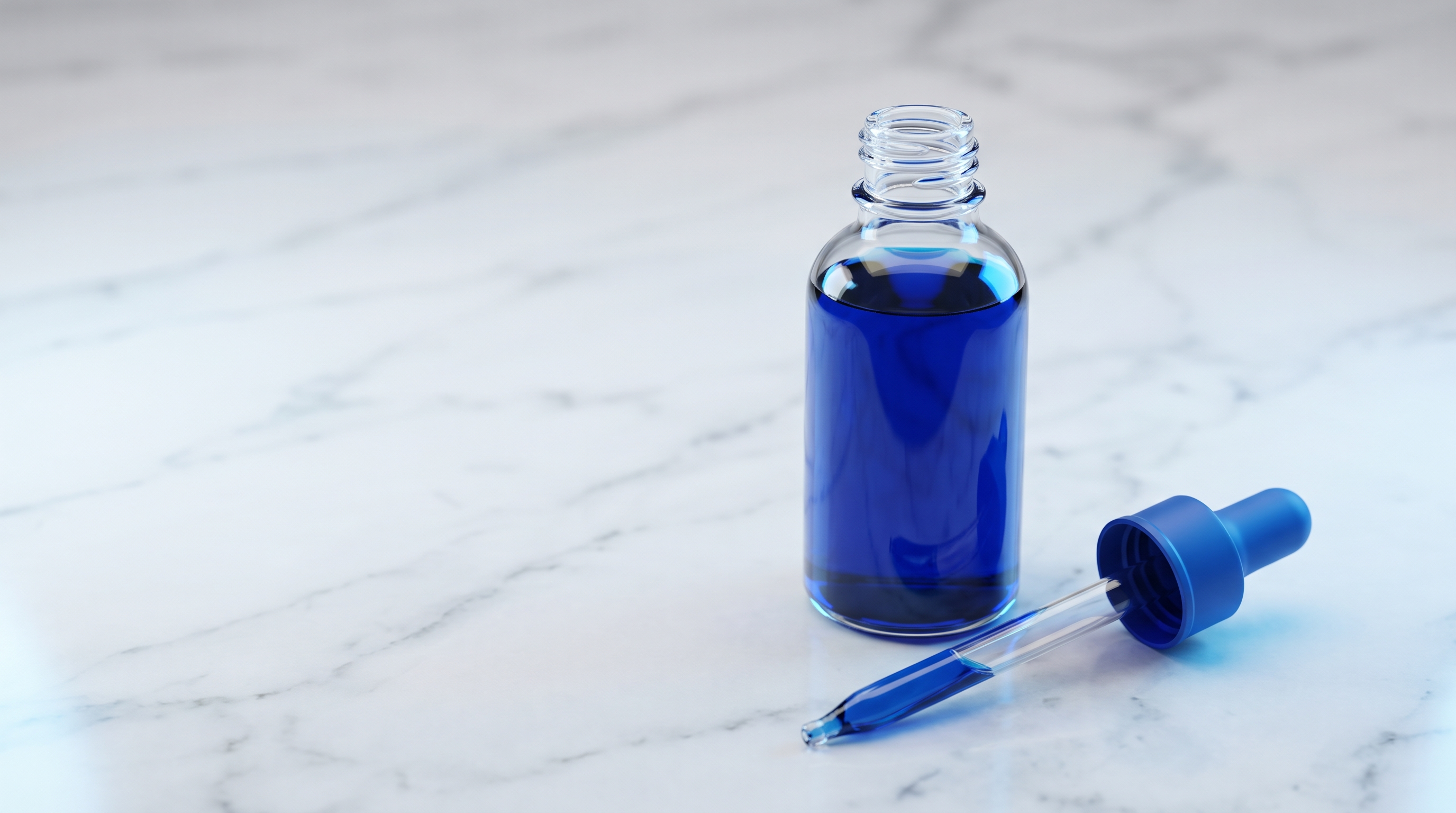
- Liquid drops: A pharmaceutical-grade solution measured by the drop, which allows precise, adjustable dosing. Because it's a concentrated dye, it can temporarily stain the tongue, and it's typically taken diluted in water.
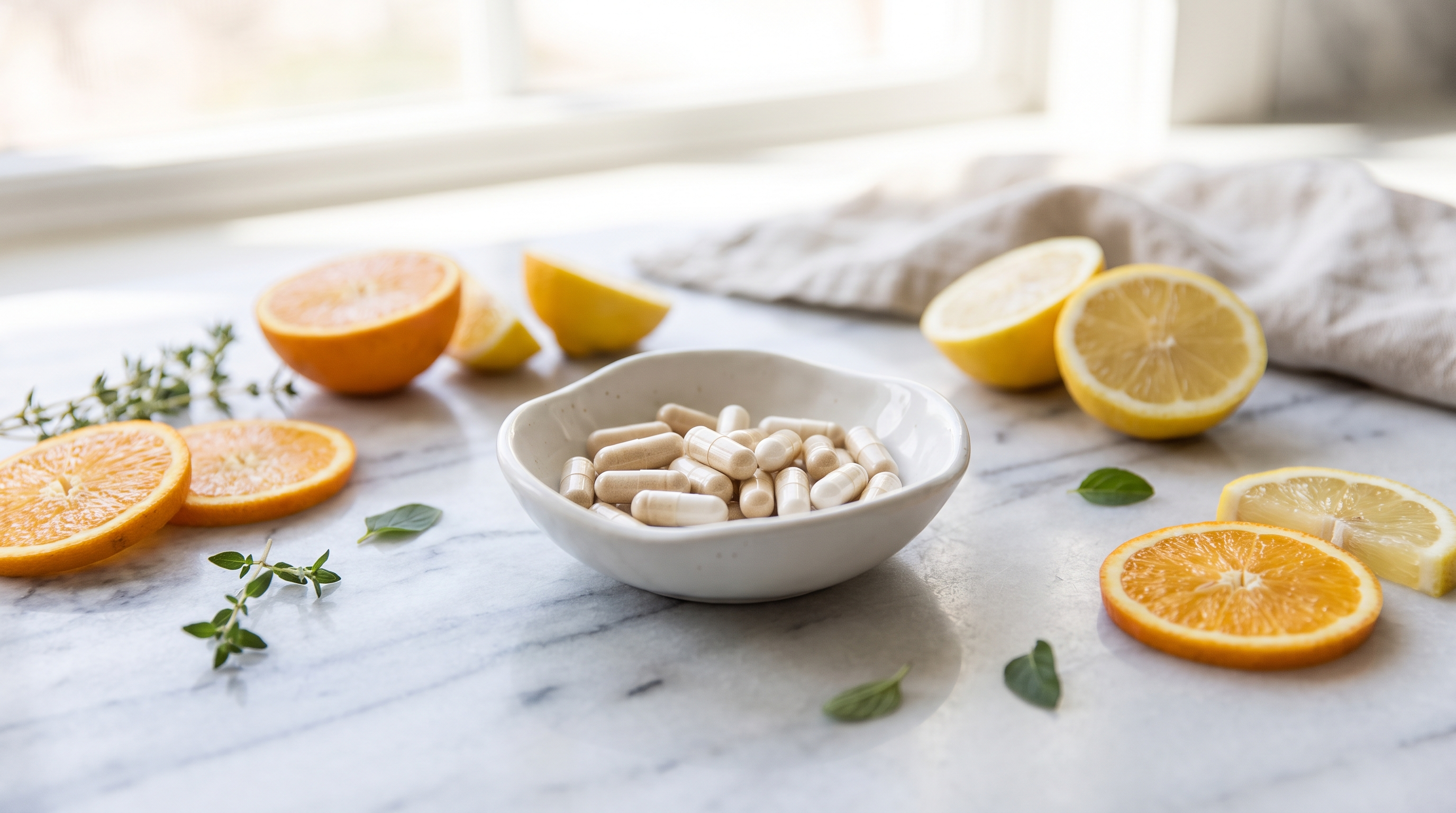
- Capsules: A pre-measured, stain-free, travel-friendly option for people who want convenience and a consistent dose without measuring drops.
Whichever format you choose, low and precise dosing is the rule with methylene blue, and you should always follow the exact dose on your product's label or your healthcare provider's guidance rather than improvising. One thing to expect: methylene blue can temporarily tint your urine, and sometimes your tongue or stool, a blue-green color. That's normal and harmless. For a full walkthrough of concentrations and how to read a label, see our guide to methylene blue dosage.
Methylene blue side effects and safety
This is the most important section, because methylene blue is powerful and interacts with several medications and conditions. Do not use it without understanding the following:
- Serotonergic medications: Methylene blue acts as an MAO inhibitor, so combining it with SSRIs, SNRIs, MAOIs, or other serotonergic drugs can cause serotonin syndrome, a potentially serious reaction. This is the single most important interaction to know.
- G6PD deficiency: People with this genetic enzyme deficiency should not take methylene blue, as it can trigger the breakdown of red blood cells.
- Pregnancy, nursing, and children: It is not for use in these groups.
- Other medications: It may interact with antihistamines like diphenhydramine and other drugs, so a conversation with your healthcare provider or pharmacist is essential if you take anything regularly.
- Dose matters: Methylene blue follows a "low-dose is beneficial, high-dose is not" pattern, so more is never better. Taking too much can cause nausea and other effects.
- Grade matters: Only USP or pharmaceutical-grade methylene blue is intended for human use. Aquarium-grade and industrial-grade products can contain heavy metals and other contaminants and should never be consumed.
Common, harmless effects at appropriate doses include the temporary blue-green tint mentioned above. Anything beyond that, or any use alongside medication, warrants a doctor's input first.*
Choosing a quality methylene blue
If, after doing your research and speaking with your healthcare provider, you decide methylene blue is right for you, quality is non-negotiable. Look for USP pharmaceutical-grade, 99% purity, third-party testing, and a formaldehyde-free formula. Our Chemist Labs Methylene Blue collection is made to those standards: USP 99% pure, pharmaceutical-grade, formaldehyde-free, third-party tested, and made in a certified USA facility. You can choose the format that suits you, from precise liquid drops to convenient, stain-free capsules.
Frequently asked questions
Is methylene blue safe? At low, appropriate doses of a pharmaceutical-grade product, it is generally well tolerated by healthy adults, but it has serious interactions, most notably with serotonergic medications and in people with G6PD deficiency, so it isn't safe for everyone. Always check with your healthcare provider first.*
What is methylene blue used for? Medically it's an established treatment for methemoglobinemia. In the wellness space, people explore it for cellular energy, mental clarity, and antioxidant support.*
Does methylene blue stain? The liquid can temporarily stain the tongue, and it commonly tints urine blue-green. Capsules avoid the mouth staining. These effects are temporary and harmless.
Liquid or capsules, which is better? Liquid allows precise, adjustable dosing; capsules are pre-measured, stain-free, and convenient. It comes down to your preference.
*These statements have not been evaluated by the Food and Drug Administration. This product is not intended to diagnose, treat, cure, or prevent any disease. Methylene blue can interact with medications and is not suitable for everyone. Always consult a qualified healthcare provider before use, especially if you are pregnant, nursing, take any medication, or have a medical condition.

Comments